
Welcome to another exciting blog post from Dolphin Studios! Today, we’re diving into the fascinating world of vector databases and exploring some real-world examples where they truly shine.
Vector databases are a game-changer in the realm of data storage and retrieval. They allow for efficient searching through large datasets by representing data as vectors. But enough with the tech talk—let’s get into some fun examples of vector databases!
Also see – The Future of AI: Context in AI and Vector Databases –>
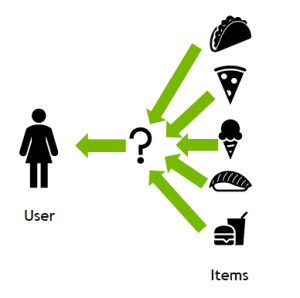
1. Recommendation Systems:
Ever wondered how Netflix knows exactly what movie you’d love to watch next? That’s vector databases at work! By converting user preferences and movie attributes into vectors, these systems can quickly find similar items, making your binge-watching sessions more enjoyable.
Ex. Spotify: While Spotify itself does not explicitly detail its use of vector databases in public documentation, the concept of using vector embeddings for music recommendation aligns with the general approach of recommendation systems utilizing vector databases for similarity searches. For a broader understanding of recommendation systems and vector databases, refer to the general discussions on vector databases and their applications in recommendation systems.
2. Image Search Engines:
Imagine uploading a picture of a beautiful sunset and instantly finding similar images from across the web. Vector databases make this possible by translating image features into vectors, allowing for quick and accurate searches.
Ex. Pinterest: Pinterest uses vector embeddings for image search, allowing users to find pins with similar visual content quickly. Although specific technical details are not publicly disclosed, the concept of using vector databases for image search is widely recognized in the field of computer vision and image retrieval.
3. Voice Assistants:
Whether it’s Siri, Alexa, or Google Assistant, vector databases help these smart assistants understand your voice commands better. By converting spoken words into vectors, they can quickly retrieve relevant information or perform tasks.
Ex. Google Assistant: Google’s speech recognition system uses deep learning models to convert speech into text, which can then be processed using vector operations for understanding and responding to queries. While specific implementations of vector databases in Google Assistant are proprietary, the general approach to natural language processing and understanding involves techniques compatible with vector database technologies.
4. Fraud Detection:

Banks and financial institutions use vector databases to detect fraudulent activities in real-time. By analyzing transaction patterns as vectors, they can identify unusual behavior and prevent fraud before it happens.
Ex. Financial Institutions: Financial institutions use machine learning algorithms to detect fraud patterns, where vector databases can store and query these patterns efficiently for real-time fraud detection. Specific examples of financial institutions using vector databases for fraud detection are not publicly detailed, but the concept is aligned with the broader application of vector databases in anomaly detection and pattern recognition.
5. Healthcare Diagnostics:
 In the medical field, vector databases assist in diagnosing diseases by comparing patient data with vast medical records stored as vectors. This helps doctors make more accurate diagnoses faster.
Ex. Google’s DeepMind Health Project: Google’s DeepMind Health project uses machine learning to analyze medical images, where vector databases could enhance the efficiency of pattern matching and comparison across vast datasets. Detailed technical specifics of Google’s use of vector databases in healthcare diagnostics are not publicly available, but the integration of vector databases in medical imaging analysis is a recognized area of application.
Also see – What are the advantages of self-hosted vector databases –>
Where Dolphin Comes in
At Dolphin Studios LLC, we specialize in creating custom AI solutions that leverage the power of vector databases to transform your business operations. Whether you’re in e-commerce, HR, or healthcare, our expertise can help you harness this technology for maximum impact.
Stay tuned for more insights from Dolphin Studios—your partner in backend AI development!
Related citations:
- General Overview of Vector Databases: Medium Article on Vector Databases
- Google Cloud AI: Vertex AI Matching Engine: Vertex AI Documentation
- AlloyDB for PostgreSQL, Cloud SQL for PostgreSQL (based on pgvector): Google Cloud Blog on Cloud SQL for MySQL Support
- Metal: Metal Official Website
- Zilliz and Pinecone API Demonstrations: Zilliz API Demonstration, Pinecone Introduction to Vector Search
- Stack Overflow’s Use of Weaviate for Improved Customer Experiences: Stack Overflow Blog Post