
In the ever-evolving world of artificial intelligence, synthetic data generation has emerged as a game-changer. This technology allows for the creation of artificial data that mimics real-world data, providing significant advantages in various industries. In this blog post, we’ll explore how synthetic data generation works, its benefits, and its applications.
What is Synthetic Data?
Synthetic data is artificially generated information that replicates real-world data. It is created using computer algorithms or simulations and is often used when real data is unavailable or needs to be kept private due to privacy concerns. In other words – the data created is fake, and used both by machines and for machines. Synthetic data can be utilized in sectors such as healthcare, manufacturing, agriculture, and eCommerce.
Why Use Fake Data?
Using fake data offers several advantages:
- Privacy Protection: It helps in minimizing privacy concerns by generating artificial datasets that do not contain any personally identifiable information (PII).
- Cost-Effective: Generating this data is often cheaper than collecting real-world data.
- Customizable: It can be tailored to meet specific business needs.
- Quick Turnaround: Datasets can be generated quickly compared to the time-consuming process of collecting real-world data.
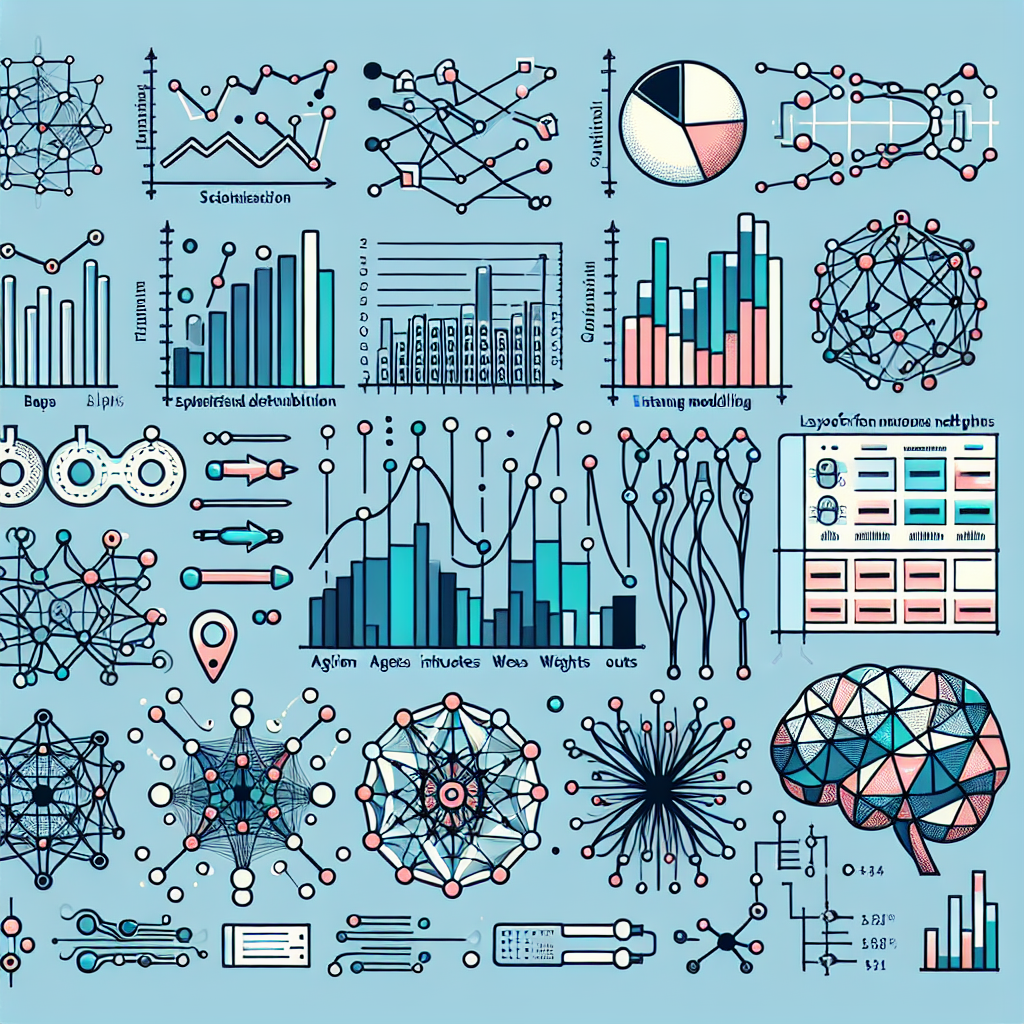
Synthetic Data Generation Techniques
The process of generating data involves several techniques:
- Statistical Distribution: This technique involves creating datasets based on observed statistical distributions from real-world data.
- Agent-Based Modeling: This method uses models to simulate behaviors and generate corresponding datasets.
- Deep Learning Models: Techniques like Variational Autoencoders (VAEs) and Generative Adversarial Networks (GANs) are used to create high-quality data.
Also see -> Harnessing the Power of Synthetic Data in AI Modeling

Synthetic vs Real Data
The primary difference between synthetic and real data lies in their origin. While real data is collected from actual events or objects, synthetic data is generated artificially. Despite this difference, synthetic data can closely mimic the properties of real-world datasets, making it a valuable resource for training AI models.

Applications of Synthetic Data
This fake data has a wide range of applications across various industries:
- Healthcare: Used for medical imaging and disease prediction without compromising patient privacy.
- Agriculture: Helps in predicting crop yields and detecting plant diseases using computer vision applications.
- E-commerce: Enhances customer experiences through advanced machine learning models trained on these datasets.
The Future of Fake Data
The future of synthetic data looks promising. As AI technology continues to advance, the quality and applicability that this type of data will improve. Businesses will increasingly rely on this technology to overcome the limitations associated with real-world data collection.
In conclusion, synthetic data generation offers numerous benefits and has diverse applications across different industries. By leveraging advanced AI techniques, businesses can harness the power of artificial datasets to drive innovation and achieve their objectives more efficiently.
Stay tuned for more insights into the fascinating world of artificial intelligence!